Blow-In Insulation in South Carolina
Blown-in loose-fill insulation for attic floors and enclosed cavities in humid South Carolina properties.
Blow-in insulation gives Fort Mill-area properties a practical way to add coverage across attic floors and enclosed cavities. Loose-fill fiberglass or cellulose is installed through a hose, allowing the material to settle around joists, wiring, ductwork, and uneven framing.
Fort Mill Spray Foam Insulation installs blown-in insulation for homes and commercial properties in Fort Mill, Tega Cay, Rock Hill, Indian Land, Lake Wylie, and Clover. Material choice and depth depend on the existing insulation, attic layout, ventilation, and comfort goals.
How Blown-In Insulation Works
A blowing machine loosens compressed material and sends it through a hose into the work area. The installer directs the flow across the attic floor or into accessible cavities, forming a level blanket around the framing and mechanical details already in place.
Because the material is loose, it can fill around obstructions that make rolled products difficult to fit. That helps reduce thin spots around cross bracing, electrical runs, plumbing stacks, and low eaves where hand-cut pieces often leave gaps.
Where Blow-In Insulation Fits Best
Blow-in insulation is most common on open attic floors, where depth and continuous coverage matter more than a finished surface. It can also be used to top up existing insulation that has settled, shifted, or been disturbed by past repairs.
In South Carolina homes, the attic can hold a heavy heat load while humid air finds small bypasses into the living space. Blow-in material is often part of a practical attic upgrade, especially when paired with air sealing where leaks are visible and reachable.
R-Value, Depth, And Settling
With loose-fill insulation, thermal performance is tied to installed depth and even coverage. Installers measure the attic, review the existing material, and install the new layer to the planned depth instead of guessing from the attic opening.
Some settling can happen over time, especially with cellulose. A careful estimate explains what material is being used, how the installed depth relates to the intended settled coverage, and what conditions could affect performance later.
Air Sealing Before More Insulation
Adding loose-fill material over unsealed gaps can bury the very leaks that make rooms uncomfortable. Plumbing penetrations, wire holes, dropped soffits, attic hatches, and top plates often need attention before more insulation goes down.
That step matters in a humid climate because air leaks can carry moisture as well as heat. A better attic scope looks at both insulation depth and the paths that let conditioned air escape or humid outdoor air enter.
Blow-In Insulation Versus Spray Foam
Blow-in insulation and spray foam solve different problems. Loose-fill adds thermal resistance across an attic floor, while spray foam can provide insulation and air sealing where it is applied directly to a roofline, wall, rim area, or other assembly.
Blow-in material is often the more straightforward choice for topping up an open attic. Spray foam may be a better fit when air leakage, irregular framing, crawl space details, or moisture control are the main concern.
What Your Attic Estimate Covers
A free estimate can cover current insulation levels, target depth, material options, attic access, ventilation condition, and whether old insulation, air sealing, or spot cleanup should be handled before new material is installed.
You can also discuss whether the space calls for blown-in insulation, spray foam, batts, or a combination. The goal is a clear attic or cavity plan that matches the property instead of treating every project the same way.
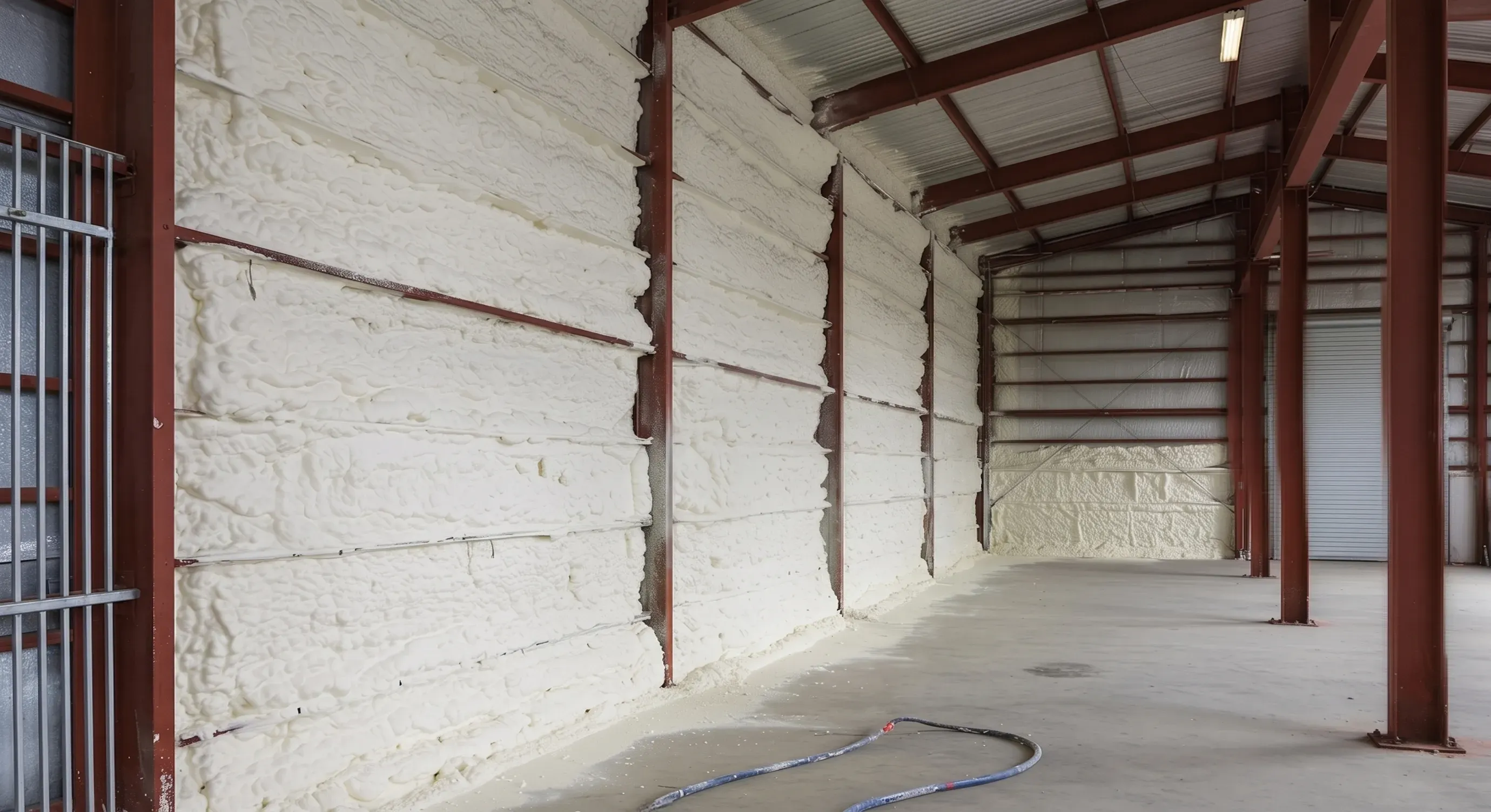
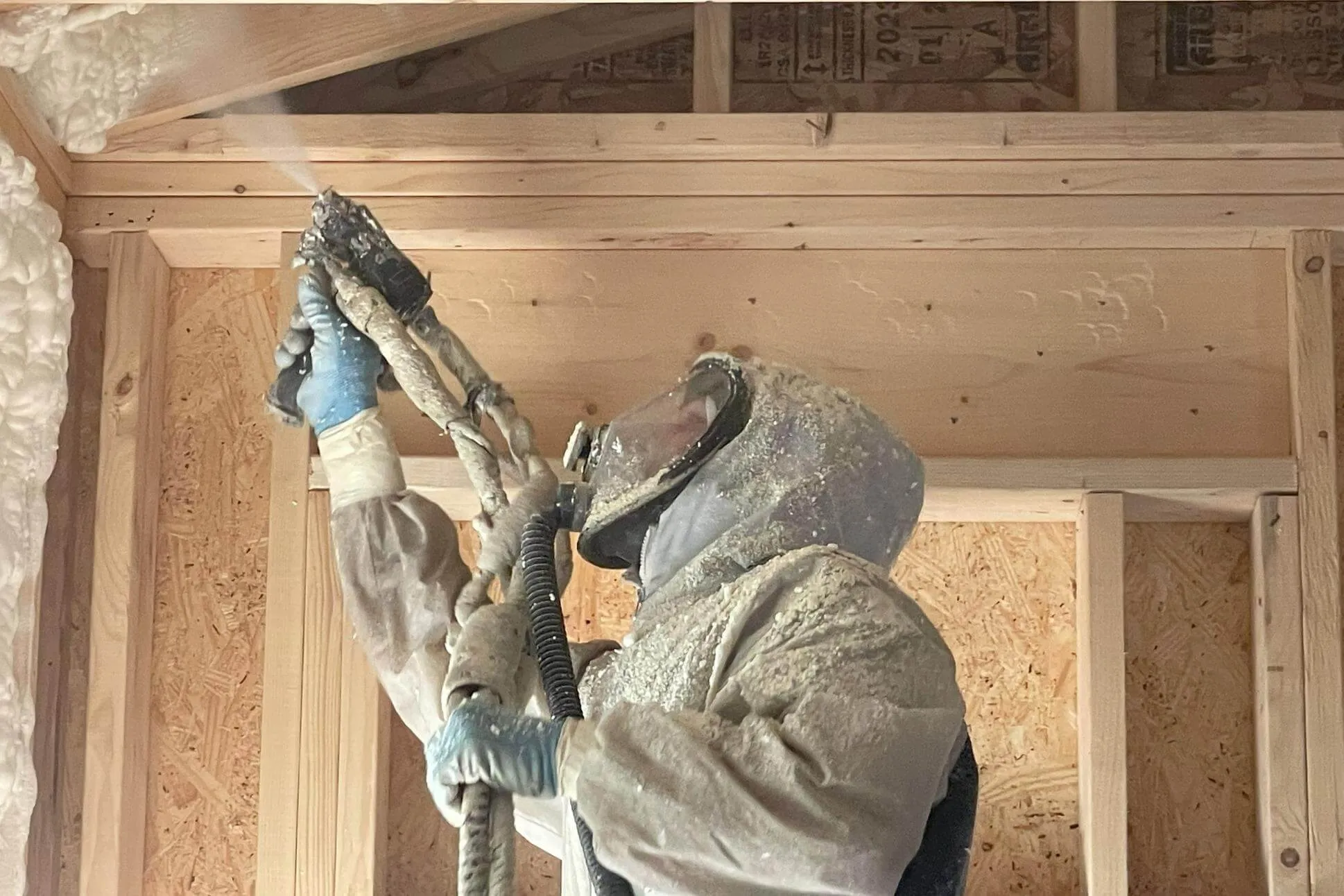
Spray Foam in Action
Other Insulation Services
Common Questions
Is blow-in insulation a good fit for Fort Mill-area attics?
Blown-in material often makes sense for open attic floors or enclosed cavities where loose-fill coverage can settle around framing and obstructions. We check the existing insulation and attic conditions before recommending it.
How much does blow-in insulation cost?
Cost depends on attic size, target depth, material choice, access, and whether air sealing or cleanup should happen first. The estimate lays out the recommended scope and price.
How long does a blow-in insulation project take?
Timing depends on attic access, existing material, depth, and any prep work needed before new insulation goes in. Your attic scope will outline the timeline before the work begins.
Want to Know What Your Project Would Cost?
Tell us about the property and we'll help you determine the next step.
Free Estimates • Fort Mill Area Service • Residential And Commercial