
Radiant Barriers in South Carolina
Reflective radiant barriers that help manage roof heat in attics during long South Carolina summers.
Radiant barriers address radiant heat from the roof deck before it spreads deeper into the attic. In Fort Mill-area homes, summer sun can heat roof surfaces for hours, while humid outdoor air makes the attic feel heavy and slow to release heat.
Fort Mill Spray Foam Insulation installs radiant barrier systems for homes and light commercial properties in Fort Mill, Tega Cay, Rock Hill, Indian Land, Lake Wylie, and Clover. A barrier is not a replacement for insulation, but it can be one layer in a better attic plan.
How Radiant Heat Moves Through An Attic
Heat moves by conduction through materials, convection through moving air, and radiation across open space. Standard insulation mainly resists conductive heat flow, while a radiant barrier reflects heat radiating from a hot roof deck.
On a sunny summer afternoon, the underside of the roof can radiate heat toward ducts, stored items, framing, and the ceiling below. A properly placed reflective surface helps reduce that radiant load before it reaches the insulation layer.
Where A Radiant Barrier Is Installed
In existing attics, radiant barrier material is often mounted along the underside of rafters with the reflective face oriented toward an open air space. In new construction, radiant barrier roof sheathing or rafter-mounted material may be part of the attic design from the start.
Placement matters because the barrier needs to face the space where radiant heat travels. It can be considered for attics with ductwork, finished rooms over garages, workshops, and metal structures where roof heat affects the space below.
Why The Reflective Surface Needs An Air Gap
A radiant barrier needs an adjacent air space to reflect radiant heat. If the reflective surface is pressed against the roof deck or buried inside insulation, the heat can conduct through it instead of being reflected.
In humid South Carolina conditions, the installation also needs to respect ventilation and moisture behavior. The goal is to reduce radiant heat without creating a hidden condensation issue or blocking the attic from drying as designed.
A Complement To Insulation, Not A Substitute
Radiant barriers and insulation handle different parts of attic performance. The barrier helps reduce radiant heat from the roofline, while insulation slows heat transfer through the ceiling plane and other assemblies.
The best attic scopes often combine sensible layers: air sealing where leaks are reachable, adequate insulation depth, ventilation that matches the assembly, and a radiant barrier only where it adds value. One product rarely solves the whole attic by itself.
What To Expect In Southeast Conditions
A correctly installed barrier can help the attic feel less loaded by roof heat during peak sun, especially when ducts or mechanical equipment are located overhead. Results vary with roof color, orientation, shade, ventilation, existing insulation, and attic layout.
Honesty matters here. A radiant barrier does not stop air leaks, add meaningful insulation depth, remove moisture, or fix poor ventilation. It should be considered as part of a full attic review, not as a stand-alone cure for every comfort problem.
What We Check In The Attic
A free estimate starts with the attic itself. The visit can cover rafter layout, access, roof deck condition, existing insulation, duct locations, ventilation, and whether a radiant barrier fits the way the attic is built.
You can also discuss how a barrier might pair with spray foam, blown-in insulation, air sealing, or insulation removal. The goal is to choose the order of work that makes sense for the property.

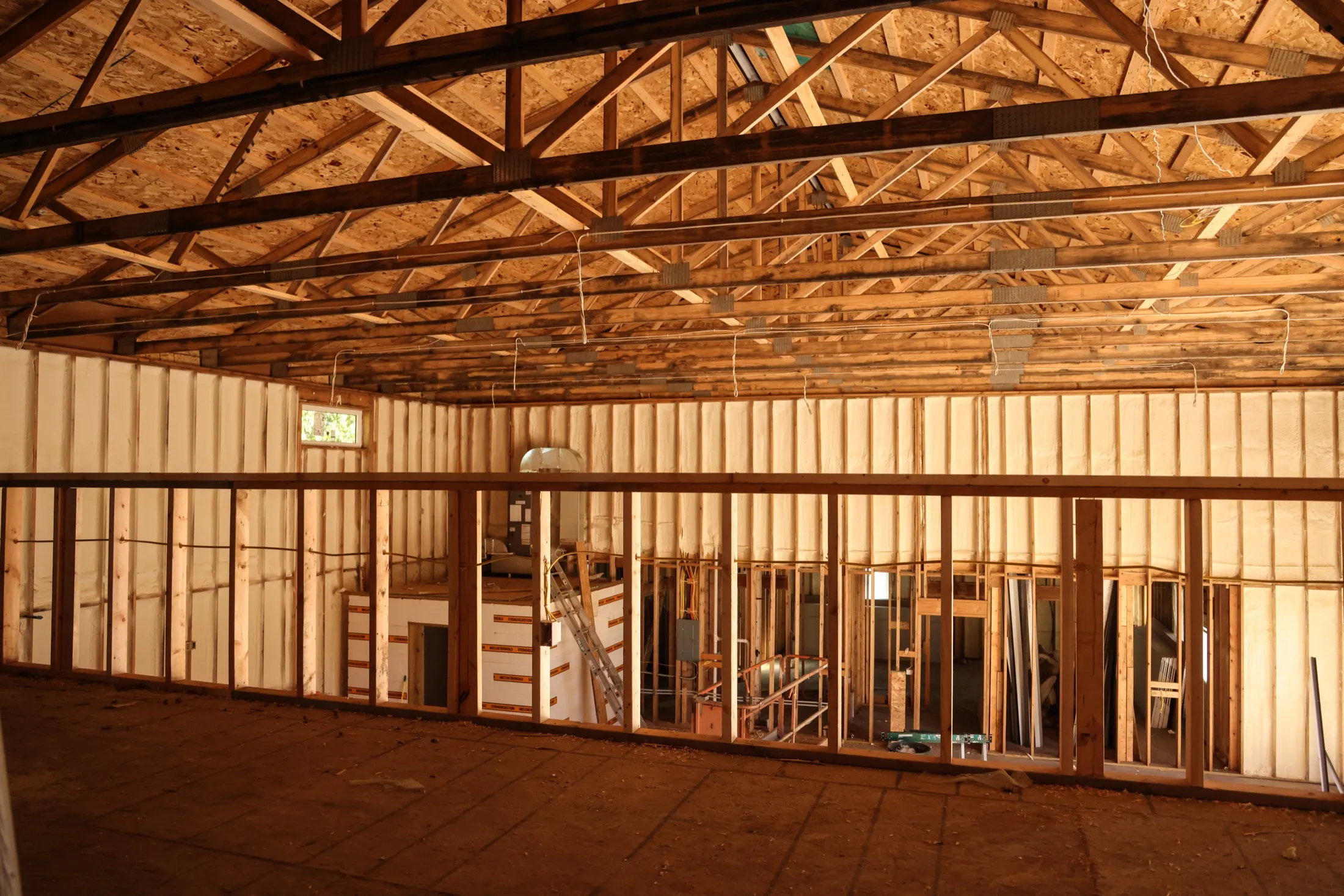
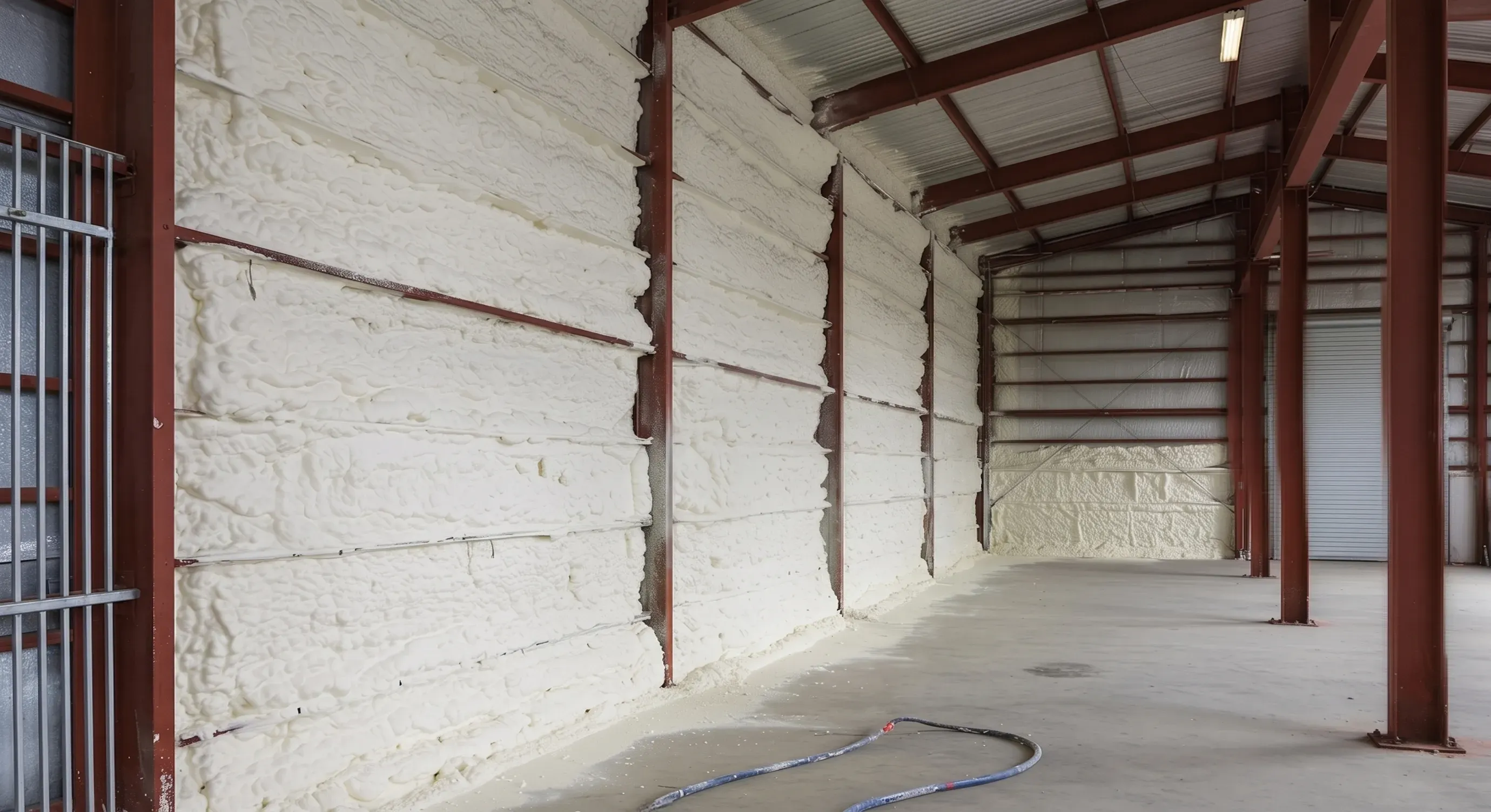
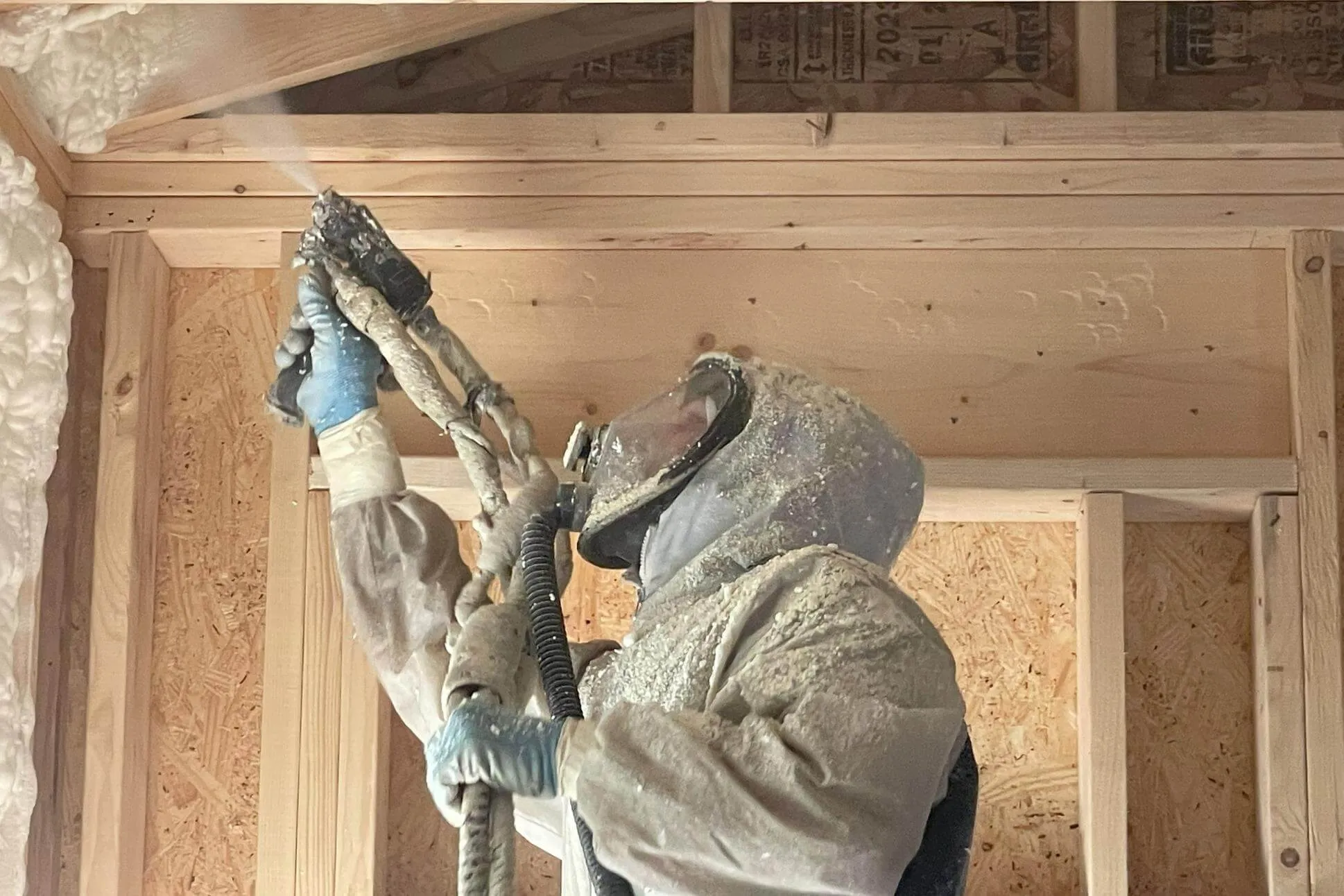
Spray Foam in Action
Other Insulation Services
Common Questions
Is a radiant barrier a good fit for Fort Mill-area attics?
A radiant barrier may help when roof heat is loading the attic and there is a proper air space for the reflective surface. We review the attic layout, ventilation, and existing insulation before recommending it.
How much does a radiant barrier cost?
Cost depends on attic size, access, rafter layout, material choice, and whether other attic work should come first. The written estimate shows the recommended scope and price.
How long does radiant barrier installation take?
Timing depends on attic access, roof framing, ventilation details, and any prep needed around ducts or stored items. The written attic scope will include the expected installation timeline.
Want to Know What Your Project Would Cost?
Tell us about the property and we'll help you determine the next step.
Free Estimates • Fort Mill Area Service • Residential And Commercial